What is the Role of Office Design in Company Culture?
In today's rapidly evolving work environment, the physical space where employees gather is far more than just a backdrop — it is a vital part of shaping and reflecting a company’s culture. Company culture office design influences everything from employee engagement and collaboration to productivity and retention. With hybrid work models becoming the new standard and changing expectations around flexibility and privacy, organizations are rethinking how workplace design can foster culture and support real workflows.
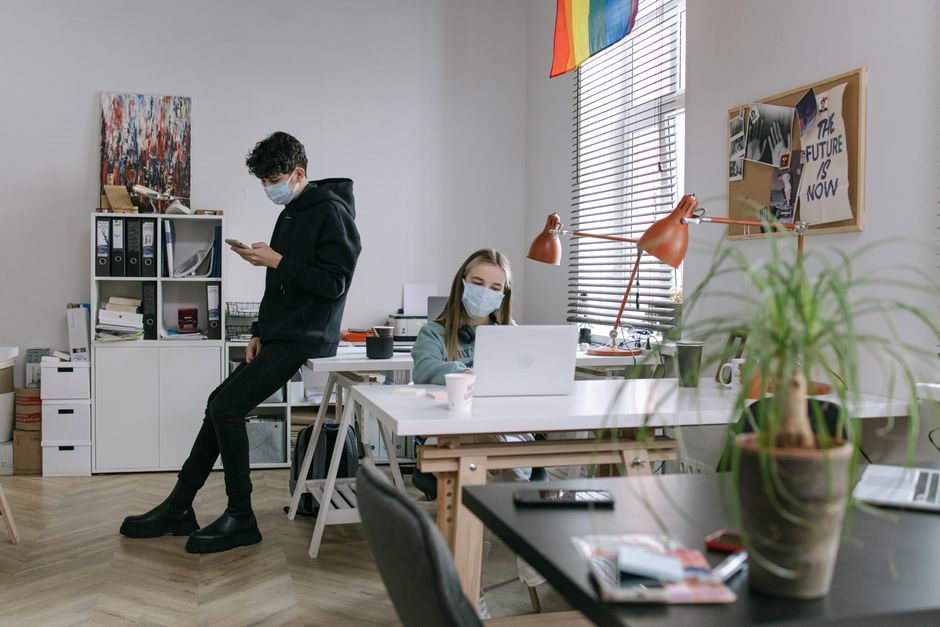
This blog post explores the multifaceted role that office design plays in strengthening company culture, highlighting strategies such as the integration of flexible layouts, the balancing of collaboration space with privacy, and the importance of designing around authentic work processes. Throughout, we reference pioneering insights from companies like Lum Chang Brandsbridge and research from the Harvard Business Review to reinforce these points. Additionally, we demonstrate how tools such as Squarespace CDN can help companies showcase their workplace experience effectively online.
Understanding the Connection Between Office Design and Company Culture
Company culture is the shared values, beliefs, and behaviors that shape how work gets done within an organization. While culture is often thought of in abstract terms, the physical environment plays a concrete role in bringing it to life.
The Harvard Business Review highlights that well-designed office spaces can enhance sense of belonging, reinforce company values, and even improve employee wellbeing. When employees walk into a thoughtfully crafted environment, it sends an immediate signal about what the company prioritizes—be it collaboration, innovation, transparency, or privacy.
Conversely, poorly designed or outdated spaces can lead to frustration, inefficiency, and a disconnect between employees and company values. This is why organizations like Lum Chang Brandsbridge, which specialize in commercial fit-outs and brand-driven workplace spaces, emphasize culture-first design to align office environments with organizational mission and employee needs.
Hybrid Work and Changing Expectations: How Office Design Must Evolve
The rise of hybrid work models—where employees split their time between remote and in-office work—has dramatically shifted workplace expectations. Offices are no longer just day-to-day workstations but become hubs for collaboration and connection.
Employees now expect their office to offer more than just a desk and chair. According to research cited by the Harvard Business Review, hybrid workers value spaces that provide variety: areas for focused work, social interaction, meetings, and spontaneous encounters.
This paradigm shift compels companies to rethink office design in these vital ways:
- Flexible space usage: Designing areas that can adapt to different team sizes and activities on any given day.
- Technology integration: Ensuring space supports seamless virtual collaboration for remote and onsite team members.
- Wellness and safety: Creating environments that consider health, including ventilation, touchless controls, and sufficient personal space.
In this atmosphere, office design becomes a strategic tool for supporting hybrid work while reinforcing company culture values such as trust, agility, and inclusiveness.
Flexible Layouts and Multi-Purpose Zones to Enhance Workplace Experience
One of the main tactics Lum Chang Brandsbridge deploys in office fit-outs is the creation of flexible layouts and multi-purpose zones. Flexible design allows spaces to accommodate diverse activities, from solo focused work to large collaborative sessions.
Examples of multi-purpose zones include:
- Modular meeting rooms: Rooms that can be rearranged or combined with movable walls to host different types of gatherings.
- Open lounges: Casual, informal areas for spontaneous conversations, networking, or relaxation.
- Focus pods or quiet zones: Small, private areas designed for concentrated efforts or phone calls.
Flexible office layouts support a dynamic workplace experience and allow the company culture to be expressed contextually. This flexibility ensures employees use the space that best fits their need at a given moment—reducing friction and increasing satisfaction.
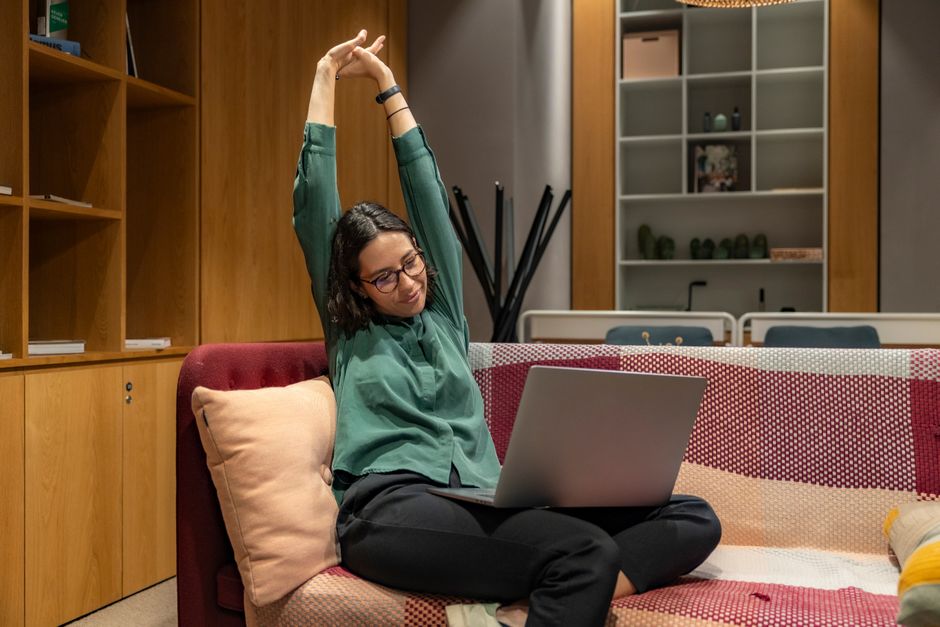
Consider this image from a recent Lum Chang Brandsbridge office fit-out, hosted on Squarespace CDN—it demonstrates how movable furniture, warm finishes, and varied seating encourage movement and choice throughout the workday:

Design Based on Real Workflows: The Cornerstone of Effective Space Planning
A critical mistake many organizations make is designing spaces based on preconceived notions rather than actual work patterns. The best office design arises from careful study of how teams collaborate and execute their daily tasks.
Lum Chang Brandsbridge advocates conducting thorough workflow analyses, using techniques such as observational studies, stakeholder interviews, and digital data from workplace sensors to uncover:
- Frequency and types of meetings within and across teams
- Movement patterns and “hot spots” for informal interactions
- Zones where employees need quiet or high concentration
- Technology needs to enable both physical and virtual work
Incorporating findings from these analyses leads to spaces tailored to real needs, reducing wasted space and frustration. When employees feel the office supports their actual workflows, the workplace experience improves, reinforcing feelings of respect and belonging—two key cultural attributes.
Balancing Collaboration Space with Privacy Needs
Fostering team collaboration is a prime goal of many companies, but it must be balanced with employees’ needs for privacy and concentration. Open-plan offices, once hailed as ideal for collaboration, have faced criticism for noise and distractions.
According to the Harvard Business Review, one of the top factors for employee dissatisfaction is lack of privacy. On the flip side, overly segmented offices can stifle spontaneous conversations and creative exchange.
The solution lies in striking a balance by offering a variety of spaces optimized for different modes of work:
Space Type Purpose Cultural Impact Collaboration Spaces (e.g., open team areas, huddle rooms) Encourage teamwork, brainstorming, and informal socializing Promotes openness, innovation, and trust among teams Privacy Areas (e.g., focus rooms, phone booths) Allow employees to concentrate or handle confidential matters Respects individual work styles and need for focus Transition Zones (e.g., quiet lounges, corridors) Provide spaces for casual interactions and decompression Fosters community and employee wellbeingLum Chang Brandsbridge’s expertise in commercial fit-outs often highlights that one size does not fit all. Offering options creates a culture of respect for diverse working preferences and enhances overall workplace experience.
Leveraging Digital Tools to Showcase and Enhance Workplace Experience
With an evolving office model, companies are increasingly relying on digital platforms to communicate their company culture office to current and prospective employees. Websites and intranets often feature virtual tours and photo galleries that highlight dynamic collaboration spaces, flexible layouts, and employee-focused design.
Tools such as Squarespace CDN enable fast-loading, high-quality image delivery — an essential feature for creating engaging, visually appealing content that reflects the workplace experience.
By effectively utilizing such platforms, organizations amplify their employer branding, making their office design a tangible expression of culture that attracts talent aligned with company values.
Conclusion: Office Design as a Living Expression of Culture
Office design is no longer simply about desks and chairs—it is an active, living component of company culture that influences how people feel, interact, https://lilyluxemaids.com/how-do-i-plan-a-flexible-office-if-we-might-move-again-in-18-months/ and work. As companies navigate hybrid work, shifting employee expectations, and changing workflows, office design emerges as a strategic asset to build engagement and productivity.
Flexible layouts, thoughtfully created collaboration spaces, and privacy zones all combine to offer a balanced workplace experience. When design decisions are rooted in real work processes and supported by technology and digital communications, the result is a workplace environment that genuinely reflects and reinforces the company’s culture.
Industry leaders like Lum Chang Brandsbridge continuously demonstrate that a culture-first approach to office design not only enhances employee satisfaction but also drives business success. Insights from the biophilic office design ideas Harvard Business Review reinforce that these investments help organizations remain resilient and attractive in an ever-competitive talent market.