What CRI and Color Temperature Should Bathroom Lights Be?
Choosing the right lighting in https://tessatopmaid.com/recessed-medicine-cabinet-install-what-can-go-wrong-in-the-wall/ a bathroom is a more complex design decision than just picking a pretty fixture. Lighting quality, especially with regards to color rendering and color temperature, directly influences daily routines from makeup application to shaving and skincare assessment. Homeowners and designers alike turn to trusted sources like the National Kitchen & Bath Association (NKBA) for guidelines that balance aesthetics with functionality.

In this post, we’ll break down key concepts like CRI 90 bathroom lighting, the subtle but important differences in 2700K vs 3000K bathroom lighting, and how to optimize skin tone lighting in the bathroom. We’ll also cover functional mirror types—how shape, storage, mounting, and lighting interplay—as well as expert sizing and placement rules that respect both lighting layout and the role of supporting fixtures like sconces.
Why CRI Matters: CRI 90 Bathroom Lighting
Color Rendering Index (CRI) measures a light source’s ability to reveal the true colors of objects compared to natural sunlight. It’s rated on a scale from 0 to 100. In bathroom lighting, particularly near the mirror, a high CRI (90 or above) is critical to accurately seeing skin tones, makeup colors, hair hues, and more.
Lower CRI sources (<80) can distort colors and cause shadows or uneven highlights, leading to mistakes in grooming or makeup application. This is why good bathroom lighting is rarely about energy efficiency or fixture style alone—it needs to provide high-quality light.
Choosing High CRI Fixtures
- Golden Lighting offers a range of fixtures with CRI 90+ LED modules designed specifically for residential bathroom applications.
- Lumens
- Consult your electrician when selecting hardwired LED mirrors or sconces—gear them to ensure the power feed supports the chosen LEDs’ rating and dimming requirements.
In short: always specify CRI 90+ to achieve natural skin tone lighting bathroom spaces demand. Demister-equipped mirrors help too—moisture can dull perceived color fidelity if condensation isn’t well controlled.
2700K vs 3000K Bathroom Lighting: Which is Right?
Color temperature, measured in Kelvins (K), defines the light’s warmth or coolness. The million-dollar question in bath lighting often boils down to 2700K vs 3000K bathroom lighting:
Feature 2700K 3000K Appearance Warm, cozy, slightly yellow-white Neutral warm white, cleaner and a bit brighter Best For Traditional styles, soft ambiance Modern spaces, task-focused lighting Effect on Skin Tones Tends to soften imperfections but can skew colors warmer More true-to-life, better for makeup and shaving Compatibility Works well with dimmers for relaxing evening routines Balances day and night use, less color shift under combined lightingProfessionally, I recommend 3000K for the majority of bathrooms. It strikes the perfect balance for skin tone rendering, especially when paired with high CRI lighting. 2700K is lovely for ambient zones or older design styles but can cause slight color shifts on skin.
Layering 2700K and 3000K
Strategic layering often works best: assign 3000K to task lighting around mirrors where color fidelity counts most, then add 2700K ambient lighting for warmth and relaxation. This way you avoid the sterile feel of pure daylight LEDs but keep accurate skin tone rendering where it matters.
Mirror Types as Functional Decisions
The choice of mirror isn’t just an aesthetic pick. It drives lighting needs, mounting complexity, and even coordination with trades like glaziers and electricians.
1. Mirror Shape and Size
Rule of thumb: your mirror width should roughly match your vanity to avoid awkward gaps or crowding. NKBA suggests allowing space for vertical sconces flanking mirrors—generally 4 to 6 inches gap minimum so the fixtures don’t get overwhelmed and shadows stay minimal.
Beware oversized mirrors that swallow sconce space: they kill lighting effectiveness by blocking lateral light and causing flat, unflattering reflection.
2. Storage & Mounting Integration
Medicine cabinets and mirrored storage units complicate lighting. Hardwired options can incorporate integrated LED panels, but electricians and glaziers must carefully template and install plate glass with correct edge seals and hardware. Unsealed edges or inferior frames lead to fogging and frame warping in humid bathrooms.
Tip: involve your glazier early for templating and stress the need for demister elements if fog will be an issue, especially for hardwired LED mirrors.
3. Lighting Integration
- Backlit mirrors: gentle, ambient halo but limited task lighting—often best combined with front or side sconces.
- Front-lit mirrors: protrude with LEDs or fluorescent tubes, giving direct frontal illumination—ideal for skin tone accuracy but may cause glare if poorly diffused.
- Integrated demister pads: essential in high-humidity zones, particularly on delicate glass edges.
Pro tip: finalize lighting before mirror width—placing lights first ensures mirror size respects fixture spacing and shadow control. This cuts rework risk once electrician has routed feeds or glazier has cut glass.
Placement Heights and Sconce Spacing
Proper sconce placement is crucial. Too high, and the light washes over the head casting brow shadows; too low, and it causes harsh under-chin shadows.
- Height: Mount sconces 66–70 inches from the finished floor for best fit with average user height and eye level.
- Spacing: Place sconces no closer than 4 inches from the mirror edges, ideally allowing 6–9 inches clearance to promote even facial lighting and avoid creating dark zones.
- Avoid cluster frustration: oversized mirrors reduce effective sconce spacing and diminish light distribution quality.
Keep in mind the electrician’s job here: any added feeds for sconces or hardwired mirrors should be installed ahead of drywall. Confirm these electric points per your lighting plan with your electrician to enable smooth installation.
Task Lighting vs Ambient Lighting in the Bathroom
A successful bathroom lighting plan layers light for both function and mood.
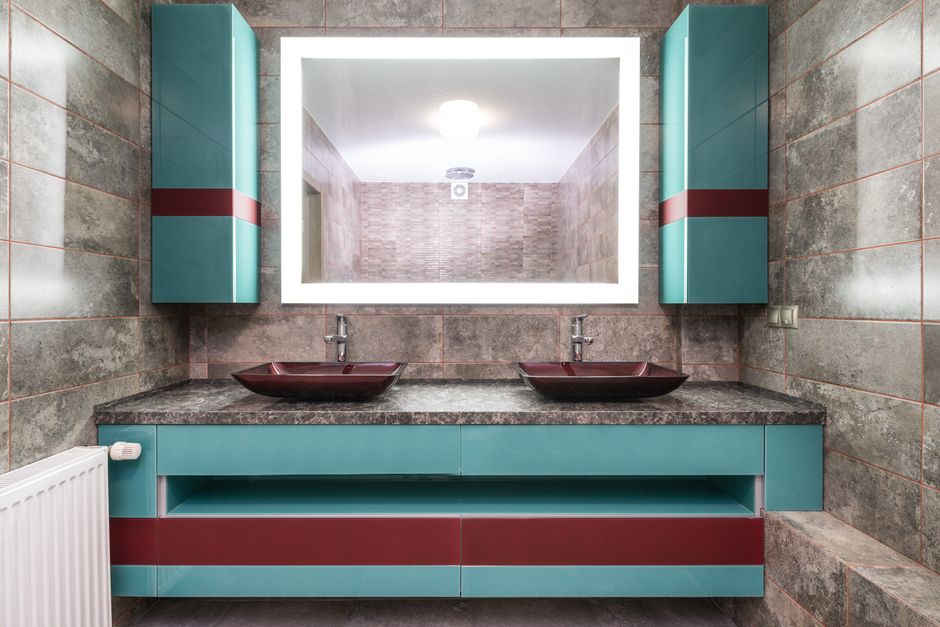
Task Lighting
Focused, crisp light around the vanity is essential for:
- Applying makeup accurately
- Shaving without shadows
- Assessing skin tone and condition
CRI 90+ and 3000K LEDs in front-lit or side-sconce setups are ideal. Hardwired LED mirrors augment or replace sconces depending https://discountcleaners.net/is-a-rectangular-mirror-always-the-safest-choice-if-i-have-not-picked-lighting-yet/ on fixture prowess.
Ambient Lighting
This supports overall visibility and mood. Consider:
- Ceiling fixtures or recessed lighting softly filling the space
- Backlit mirrors providing indirect glow
- 2700K temperature sources here to create warm, relaxing atmosphere
Pro tip: Ultimate comfort comes from multi-level controls—dimmers or smart switches coordinating task and ambient zones.
Conclusion
When selecting bathroom lighting, prioritize CRI 90+ fixtures for authentic skin tone representation. For color temperature, choose 3000K for balanced, realistic light with the option to blend in some 2700K ambient sources for warmth and relaxation. Always design your lighting plan with the mirror type, size, and mounting strategy in mind, consulting both your glazier for glass installation and your electrician for wiring coordination early in the process.
The NKBA standards remain excellent reference points for fixture placement and sizing rules, ensuring your bathroom isn’t just stylish—but truly functional. Partnerships with respected companies like Golden Lighting and curated sources like Lumens will help you source quality products that maintain performance in humid, challenging environments.
Remember: Demister yes. Dashboard maybe. High-CRI, carefully layered lighting can make a lifetime of daily routines easier and more enjoyable.
```