What BTU Mix Should I Use for 3 Rooms Like 9k + 12k + 6k?
If you're planning a multi-zone ductless mini-split system for your home and wondering how to size each zone properly, you’re not alone. Figuring out how many BTUs per room is essential for comfort and efficiency. A 3-zone setup with a living room 12000 BTU, bedroom 9000 BTU, and a small room 6000 BTU is a common mix—but there’s more to the story than just adding up those numbers.
In this article, I’ll walk you through:
- How to assess individual room loads for an accurate 27,000 BTU multi zone setup
- What “true DIY” means in the ductless world, including quick-connect pre-charged line sets
- Electrical realities of installing 115V vs 230V units, including breaker sizes and electrician costs
- How cold climate performance varies for heating, especially below freezing temps (-13°F vs ~5°F)
I’ll mention real brands you can buy from like Zone Air, MRCOOL, and Pioneer, and even cover the tools you’ll need like a drill with hole saw or a 3 inch core bit, and a level for neat installations.
Understanding BTU Mix for a 3-Room Setup
You’ve sized one room at 9,000 BTU (typically a bedroom), another at 12,000 BTU (often a living room), and a smaller room at 6,000 BTU (maybe a small office or guest room). The combined theoretical load is 27,000 BTU. But it’s crucial to understand that you don't just sum these numbers and pick a random 30k or 36k three-zone system.
Why Room-by-Room BTU Counts Matter
Each zone needs to be sized for the actual heat loss or gain of the specific room:
- Bedroom 9000 BTU — Good for about 300-400 sq ft with normal insulation. Small bedrooms, or rooms with south-facing windows might need adjustments.
- Living room 12000 BTU — Suited for roughly 450-550 sq ft. More windows or higher ceilings mean you may need to bump this up.
- Small room 6000 BTU — Ideal for compact areas around 200-250 sq ft.
Keep in mind real houses vary: a 12k unit rated SEER2 23 (MRCOOL models for example) is efficient but only meets cooling needs proportionally. For heating, check the HSPF2 rating and cold climate capacity.

True DIY: What It Means and Why It Matters
Many brands market mini-split systems as DIY—some more true to that claim than others.
True DIY means the outdoor unit and indoor heads come precharged with refrigerant, and the connection uses quick-connect linesets instead of traditional flaring and vacuuming. This removes the need for specialized HVAC tools and knowledge, and always saves time.
MRCOOL popularized this approach with its pre-charged quick-connect kits, making multi-zone installs reasonable for competent homeowners. Zone Air also has these options, but sometimes only on single-zone systems. Pioneer generally leans more toward professional installs with vacuum and flare required.
If your system needs vacuum pumps, flaring tools, leak tests, and refrigerant charging—it's not true DIY, no matter what the marketing says. That extra labor can add up to hundreds in professional service calls or steep learning curves.
What Tools You’ll Need
- Drill with hole saw or 3 inch core bit – For drilling the wall hole where refrigerant lines and wiring go.
- Level – To make sure your indoor units are perfectly horizontal to avoid drainage issues.
- (Optional) Refrigerant gauges and vacuum pump if not using pre-charged quick connects.
Electrical Realities: 115V vs 230V and Breaker Costs
Many small multi-zone systems run on either 115V or 230V depending on brand and BTU rating. This impacts:
- Breaker size and panel space
- Whether your house already has the right circuit or needs new wiring
- Potential electrician labor costs
Zone Air 3-zone wall-mount kits typically require dedicated 230V circuits, and come in at prices around $4,100-$5,600 depending on model and installation notes. e-architect.com Factor in an electrician’s hourly rate if you don’t already have a suitable circuit; $500-$800 is common for a dedicated breaker install.
Cold Climate Heating Performance
If you live in an area that dips below freezing regularly, pay attention to cold climate heating performance. Most ductless units list a “lowest operating temp” for heat mode:
- -13°F — Some high-end Mitsubishi or Fujitsu models handle this low, but they're pricier.
- ~5°F — Many mid-range units, including MRCOOL options, still heat effectively down to about this temperature.
The difference matters when your winter dips below single digits. Efficiency and defrost cycles increase energy usage if you go too low for your unit’s specs.
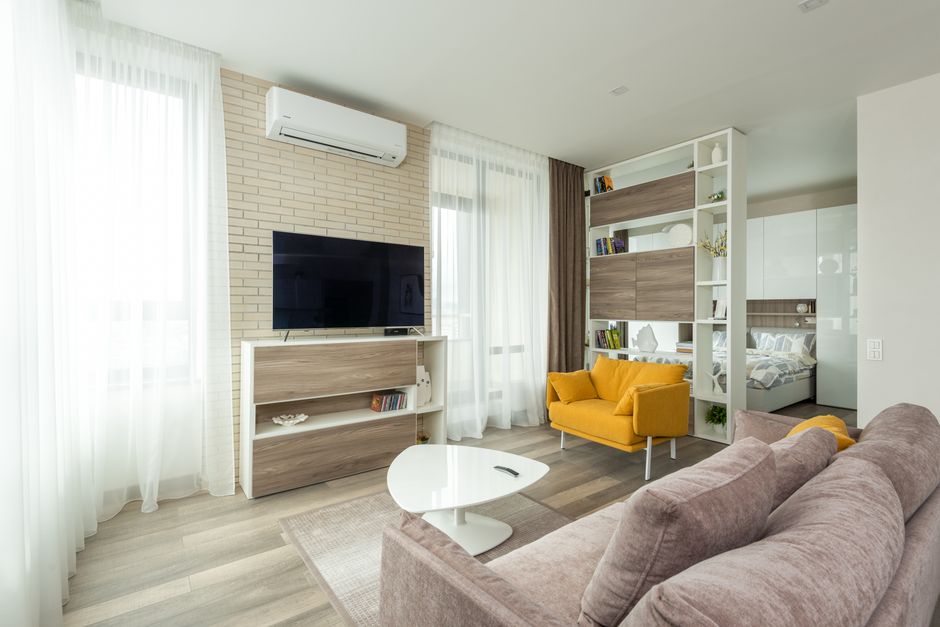
For the 9k, 12k, and 6k BTU indoor heads in a cold climate, check manufacturer specs carefully, especially the HSPF2 rating and low-temp performance tables.
Summary Checklist for Your 3-Zone BTU Mix Project
- Assess room sizes and insulation quality to confirm the 9000 | 12000 | 6000 BTU mix.
- Pick a 27,000 BTU multi zone system from layouts by Zone Air, MRCOOL, or similar.
- Confirm if your units are true DIY (pre-charged quick-connect linesets) or need professional vacuuming.
- Get the right tools: drill with hole saw or 3 inch core bit, level, tape measure, and possibly HVAC gauges.
- Check your electrical panel for available 115V or 230V circuits and the breaker sizes you’ll need.
- Budget for electrician work if new circuits are required ($500-$800 typical).
- Review manufacturer cold-climate heating specs; make sure the system can handle winter lows in your area.
- Plan wall hole placements carefully and mount indoor units level for proper condensate drainage.
- Expect pricing around $4,100-$5,600 for full kits including outdoor condenser and 3 indoor heads from companies like Zone Air.
Final Thoughts
Choosing the right BTU mix for your 3-room mini-split project requires attention to real square footage needs, true DIY feasibility, electrical realities, and your local winter temperatures. Brands like MRCOOL shine for their easy-to-install pre-charged multi-zone systems that truly empower homeowners. Zone Air offers solid 3-zone wall-mount kits with quality specs, though the price reflects the full set and complexity. Pioneer suits pros better but delivers value if you want a more traditional install approach.
Don’t underestimate the importance of proper electrical setup and permits. Skimping here can lead to delays or resale headaches. Use the right tools for a neat, professional install that lasts, and size zones based on your actual rooms—not just guesswork.
Armed with this knowledge, you can confidently plan your 27,000 BTU multi-zone system and enjoy efficient heating and cooling tailored to your home’s unique layout.