Round Lighted Mirror with a Broken Halo: How Does That Work?
In recent years, LED mirrors have become a centerpiece in modern bathroom design, gradually replacing traditional vanity light bars and sconces. Among these, the round lighted mirror with a broken halo is capturing the imagination of designers and homeowners alike. But how does this design work, and why has it become so popular? In this article, we explore the nuances of mirror halo lighting, the differences between backlighting, edge lighting, and in-glass light lines, and how these types of lighting interact with bathroom surfaces such as paint, tile, wood, and stone. We’ll also discuss practical applications for long vanity layouts using multiple mirrors, referencing valuable insights from Homedit, LED Mirror World, and several Google Preferred Sources.
Why Choose a Round Lighted Mirror with a Broken Halo?
The classic round lighted mirror is an elegant choice known for its clean, minimalist design that plays well with a variety of bathroom styles. The "broken halo" concept introduces a subtle twist—an intentional gap or discontinuity in the halo of light surrounding the mirror. This design element can soften the lighting effect, create visual interest, and allow for discreet mounting hardware or a shelf to peek through, offering more flexibility than a continuous halo.

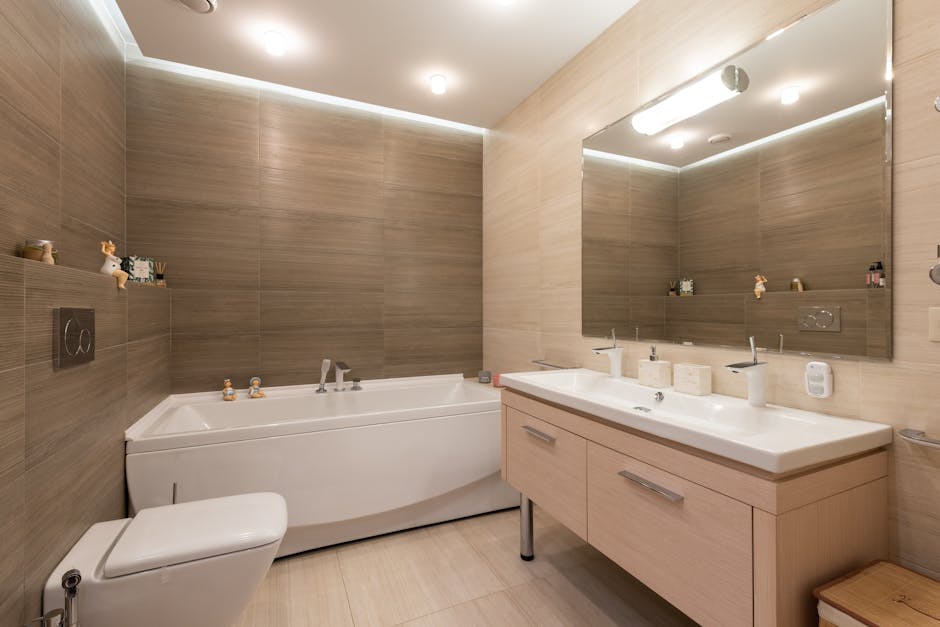
From a lighting perspective, a broken halo disrupts the usual ring of light, making it less overwhelming and more adaptable to different spatial configurations. But how exactly does this work in practice? Understanding the different lighting techniques applied to these mirrors offers the answer.
Backlighting vs Edge Lighting vs In-Glass Light Lines
When shopping for a round lighted mirror, particularly one with a broken halo, it’s essential to understand the types of lighting technologies used:
- Backlighting: In this setup, LED strips are placed behind the mirror, casting light onto the wall surface around it. This indirectly surrounds the mirror with a glow, producing a "halo" effect that gently washes the wall with light. Backlighting is often praised for its pleasant, ambient quality and subtle enhancement of wall textures.
- Edge Lighting: Here, LEDs are embedded along the edge of the mirror glass itself. The light refracts through the glass, illuminating the perimeter directly. This technique makes the mirror surface appear to glow uniformly and is perfect for precise lighting effects, but it typically produces a sharper, more defined light boundary.
- In-Glass Light Lines: The most integrated lighting method, LED light lines are etched or embedded within the mirror’s glass, often covered with a diffusing layer to produce consistent illumination. This allows for creative designs, including broken halos, where the lighted lines intentionally stop at certain points, creating the characteristic gaps.
The broken halo mainly thrives in the in-glass light line and backlit designs, as these allow for segments where the light can be omitted without creating an awkward visual break. Meanwhile, edge lighting tends to favor continuous illumination for even light distribution, which can make broken halos less common unless specially designed.
Lighting and Wall Interaction: What Happens to Paint, Tile, Wood, and Stone?
I remember a project where thought they could save money but ended up paying more.. The way light spills onto the wall surface is a crucial factor in LED mirror design, especially when considering a broken halo style. I always look closely at photos and, more importantly, think about how the light will feel in real life. A cracked or interrupted halo will cast different shadows and highlights, depending on the material behind it.
Painted Walls
On flat painted surfaces, backlighting produces soft light washes that elevate the color depth and add warmth without glare. The broken halo can subtly highlight the texture or finish of the paint, creating a dynamic interplay between solid brightness and shadows where the halo gaps are.
Tile Walls
Tile, especially textured or patterned varieties, catches backlighting beautifully. The broken halo can break up what might otherwise become a uniform glow, adding dimension by letting the grout lines and tile edges catch the light differently. However, care should be taken: overly harsh, direct edge lighting could cause distracting reflections or glares on glossy tile.
Wood Walls
Wood surfaces with natural grain gain https://cleaneverycorner.com/how-to-plan-lighting-for-a-long-vanity-with-two-vessel-sinks/ richness and depth from halo lighting. A broken halo can accentuate the wood texture by creating intermittent light and shadows that bring out natural variations. This interaction can soften the overall brightness, making the mirror and wall feel warmer and less clinical.
Stone Walls
Stone is tricky. Strong backlighting can amplify its rugged texture, but too much light washing can make veining or rough surfaces look harsh or overly contrasted. A broken halo light approach is well-suited here, providing just enough illumination to highlight the stone’s beauty without overwhelming the scene. It’s worth noting that some confusing mirror frames with overly bright blue LEDs look stunning in photos but can feel harsh and cold in stone bathrooms—a classic design pitfall.
Long Vanity Layouts: Using Multiple Round Lighted Mirrors
For bathrooms with long double or triple vanities, designers often turn to multiple lighted mirrors instead of one massive central mirror. Why? Because it creates a more individualized light source and reduces the strain on the space.
Using multiple round lighted mirrors with broken halos offers several advantages:
- - Individual Light Zones: Each mirror provides focused task lighting without overwhelming the entire vanity length.
- - Flexibility in Placement: Broken halos allow for mounting considerations—perhaps interrupted sections accommodate shelf brackets or towel hooks.
- - Wall Lighting Effects: The intermittent halos introduce rhythmic patches of light and shadow along the vanity wall, adding architectural interest.
As noted by LED Mirror World, it’s vital in these arrangements to consider the mirror size and spacing carefully to avoid both light overlap and gaps in illumination. Their resources and product examples, combined with user feedback from social media platforms like Twitter and Facebook, show that when done well, these layouts feel balanced and highly functional.
LED Mirrors vs Traditional Vanity Lights: The Changing Landscape
Traditional vanity lighting—such as horizontal bars above the mirror or vertical sconces flanking the sides—has been relegated in favor of LED green led mirror mirrors for many solid reasons. LED mirror halos provide:
- More uniform, shadow-free illumination directly on the face.
- Cleaner bathroom aesthetics without extra fixtures cluttering the wall.
- Energy savings and longer lifespan compared to incandescent bulbs.
- Customization with dimmable or color temperature options.
- Integration of modern smart controls or anti-fog functions.
Though vanity light bars and sconces remain useful in certain designs, LED mirrors, particularly with innovative broken halo lighting, represent a more streamlined, adaptable approach.
What The Experts Say
Industry voices from Homedit and other Google Preferred Sources emphasize the importance of considering wall color and material when selecting LED mirror lighting. They caution that overly blue-toned LEDs, sometimes touted as “luxury,” can clash with warm stone or wood surfaces. They also warn against mirrors with complex mirror features or etched details fighting visually against veiny stone backgrounds.
Want to know something interesting? instead, simpler round mirror shapes with thoughtful lighting placement often do the heavy lifting in terms of atmosphere. In a well-executed broken halo mirror, the design intentionally lets you see both light and shadow working harmoniously.
Practical Tips for Choosing Your Round Lighted Mirror with Broken Halo
- Assess Your Wall Material: Consider whether your bathroom walls are painted, tiled, wood-paneled, or stone—different materials respond uniquely to light washing and shadow breaks.
- Choose Lighting Type Wisely: Backlighting offers softer washes; edge lighting produces sharp outlines; in-glass light lines allow creative broken halo effects.
- Mind the Color Temperature: Aim for warm white (2700K–3500K) unless your design intentionally veers cooler. Pay attention to how the light reflects off your walls.
- Consider Multiple Mirrors for Long Vanities: Break up a long expanse with evenly spaced round mirrors for better light distribution.
- Consult Reviews and Social Feedback: Check sources like LED Mirror World or Twitter for real-life experiences and photos.
Conclusion
The round lighted mirror with a broken halo is more than an aesthetic innovation—it is a sophisticated lighting solution that balances style, function, and adaptability. Whether you use backlighting to gently wash your bathroom’s tile or embed LEDs to artfully interrupt your mirror’s glow, understanding the interaction between light and surface is key. For those designing long vanities or seeking to replace traditional vanity lights, multiple LED mirrors with broken halos can be a striking and practical option. Resources from LED Mirror World, Homedit, and Google’s Preferred Sources, along with community insights from Twitter and Facebook, can guide you smoothly through the selection process.