Is Damp and Mould Really a Health Risk or Just an Eyesore?
Damp and mould in homes — we've all seen it or heard about it. But is it merely an unpleasant sight, or could it be a serious health risk? As someone who has kitchen extractor fan spent years working on UK residential renovations and housing welfare, I can tell you this: damp and mould aren’t just unsightly; they can significantly impact health, especially when left unaddressed.
Start with What You Can Measure: Air Quality and Ventilation
Before jumping into the health effects of mould, the first critical piece of the puzzle is air quality. Poor air quality is often invisible, but those tiny spores floating about can cause real issues. In the UK, our homes commonly suffer from insufficient ventilation, trapping moisture and pollutants indoors and fostering an environment where damp and mould thrive.
Measuring indoor humidity is a simple but powerful way to understand if your home has a moisture problem. Relative humidity ideally sits between 40-60%. Anything above 60% consistently is a red flag for potential mould growth.
Avoid the Common Air Quality Pitfalls
- Check indoor humidity: Hygrometers are inexpensive tools you can place in bedrooms and living areas.
- Temperature variations: Colder walls or corners encourage condensation and damp.
- Extract fans: Vital in kitchens and bathrooms, but they must be properly sized and quietly installed—or people simply won’t use them.
- Layered lighting on separate circuits: Sounds unrelated? Actually, well-designed lighting helps regulate daily activities and supports healthy circadian rhythms, which we’ll touch on later.
Damp and Mould: A Hidden Health Risk
Many dismiss mould as an “eyesore” only, but several studies confirm damp and mould can trigger respiratory problems, allergies, and exacerbate asthma. The UK Government’s health guidance on GOV.UK damp and mould health risks page highlights how prolonged exposure can irritate the airways and lungs, increasing the likelihood of infections and long-term conditions.
Who Is Most at Risk?
- Children – their developing lungs are more vulnerable.
- Older adults – with weaker immune systems.
- People with asthma, chronic lung diseases, or allergies.
Once mould colonies become established, their spores and fragments circulate in the air, aggravating symptoms and sometimes causing hypersensitivity pneumonitis - a serious lung inflammation.
Common Ventilation Installation Mistakes That Make Things Worse
Proper ventilation is the frontline defence against damp and mould. Sadly, I’ve seen countless cases where “improving” ventilation has been undone by poor installation or choice of equipment. Here are a few small fixes that actually work:
- Avoid noisy extract fans: Tenants often turn these off if they’re too loud, defeating the purpose. Choose quiet yet efficient models; it’s better to have them running continuously on low speed than sporadically on high speed.
- Fit fans with timers or humidity sensors: Fans that only run when needed improve air quality without energy waste.
- Ensure fans vent outside: Sometimes fans just recirculate air within the home, doing nothing to remove moisture.
- Place fans strategically: Kitchens and bathrooms are priority zones, especially where clothes drying indoors happens.
On the furnishings front, companies like Utology in Birkenhead (5-star rating) offer beautifully crafted furniture and accessories that can also contribute to better air flow when thoughtfully arranged, avoiding tight-packed clutter that traps damp in corners. When it’s time to upgrade walls and surfaces, Unique Tiles in Crewkerne (14-star rating) provide tiled and stone finishes that resist moisture and clean easily — excellent allies in battling damp.
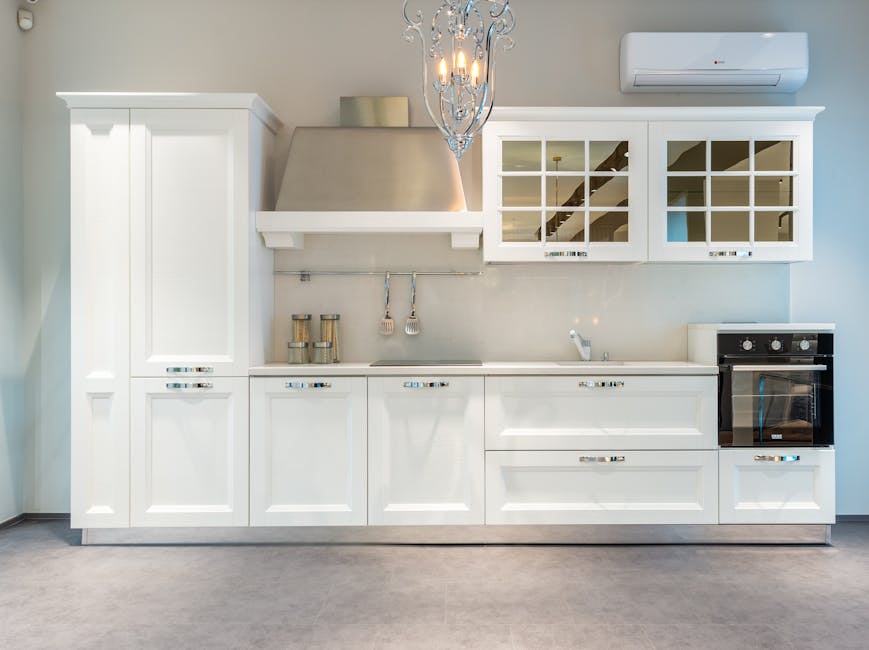
Circadian Lighting Timing: Support Your Body as Well as Your Walls
I’m often asked what lighting has to do with damp and mould. Indirectly, quite a lot. Our bodies’ circadian rhythm depends on exposure to different lighting types at various times of day:
- Cool, blue-enriched lighting in the morning mimics daylight, boosting alertness and helping regulate hormone production.
- Warm, dimmer lighting in the evening encourages melatonin release, preparing us for restful sleep.
Layered lighting on separate circuits in your Go here home enables this natural cycle. By encouraging proper rest and immune function, good lighting supports resilience against respiratory irritants linked to damp conditions.
Summary Table: Damp and Mould Health Risks and Solutions
Issue Health Impact Recommended Solution High indoor humidity & condensation Creates environment for mould growth; worsens asthma symptoms Use hygrometers; operate quiet extract fans; ventilate regularly Mould spores in air Respiratory irritation; allergies; lung inflammation Remove mould promptly; improve ventilation; choose moisture-resistant furnishings and surfaces Poor ventilation due to installation mistakes Traps moisture; reduces air quality Install humidity-sensor fans; vent outdoors; avoid noisy fans Disrupted circadian rhythm from poor lighting Weakened immune function; poor sleep Implement layered lighting with cool mornings, warm evenings on separate circuitsFinal Thoughts: Don’t Wait for Damp to Show Its Teeth
One of my biggest frustrations is how often tenants get blamed for damp and mould problems as if it were sheer negligence. The reality? Sometimes damp is invisible until it has already compromised the building fabric and your health. That’s why regular checks for humidity and ventilation functionality are essential.
The good news is: small fixes really do work. Whether it’s investing in quiet extract fans, rearranging furniture from Utology to promote airflow, or choosing moisture-resistant tiles from Unique Tiles, practical steps can make your home healthier and more comfortable.

So, is damp and mould just an eyesore? Absolutely not. It’s a genuine health risk, especially when paired with poor ventilation and unnoticed until serious symptoms arise. Protect your airways, lungs, and overall wellbeing by tackling it early and smartly.