How to Light a Vanity When You Want the Mirror to Be the Only Wall Feature
For many modern bathrooms, the mirror has evolved beyond a simple reflective surface to become a stunning focal point and functional lighting source. When aiming for a clean vanity wall free from traditional vanity light bars or sconces, LED mirrors offer an elegant and streamlined solution. This trend is well documented across trusted industry voices like Homedit, and is gaining traction with homeowners and designers alike.
In this post, we'll explore the ins and outs of using mirrors for illumination so that the mirror itself is the only wall feature — no bulky fixtures, no visual distractions. We'll dive deep into LED mirror technologies from companies such as LED Mirror World, weigh the pros and cons of different lighting methods like backlighting, edge lighting, and in-glass light lines, and discuss how lighting impacts wall surfaces made of paint, tile, wood, or stone.
Why Choose a Mirror Instead of Vanity Light?
Traditional vanity lighting — classic sconces or horizontal bars above the mirror — can clutter an otherwise minimalist bathroom wall. If your goal is a clean vanity wall that showcases beautiful material finishes or architectural details, framing the mirror with light offers a sleek alternative.
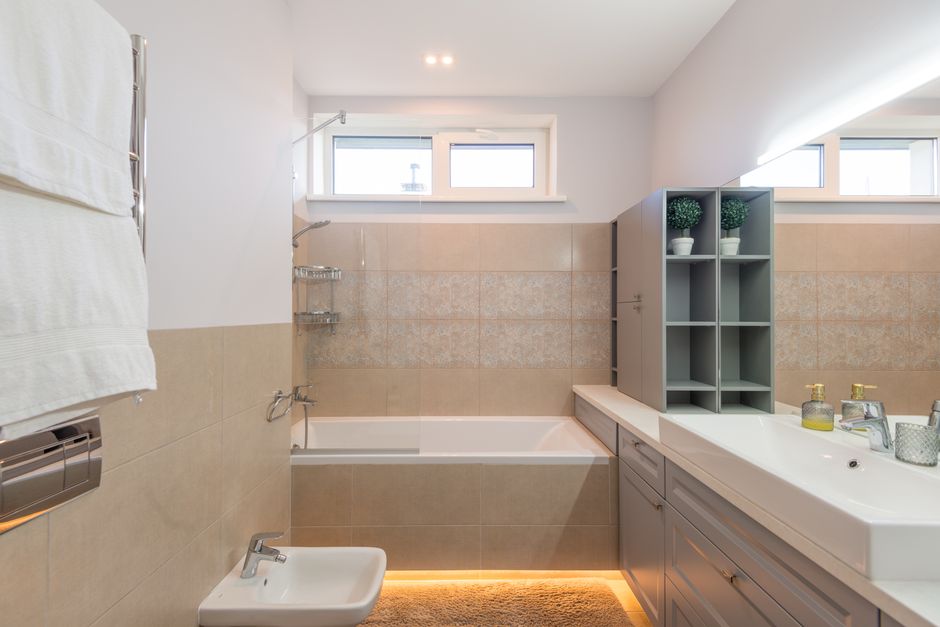
LED mirrors illuminate your face evenly without requiring visible fixtures. They often provide:
- Soft, glare-free light that eliminates harsh shadows.
- Space-saving design, perfect for narrow walls or compact bathrooms.
- Customizable shapes and sizes, including rectangular, round, or elongated mirrors suited for long vanities.
- Integrated technologies, such as anti-fog features, dimming, and color temperature controls.
Thanks to these advantages, LED mirrors are replacing traditional vanity lighting in both new construction and renovation projects — a trend trusted sources on Google Preferred Sources continually highlight.
Understanding LED Mirror Lighting: Backlighting vs Edge Lighting vs In-Glass Light Lines
Not all LED mirrors are created equal. The way Learn more here the LED light is integrated impacts the lighting quality, wall illumination effects, and overall ambiance.
Backlighting
Backlit mirrors have LEDs installed behind the mirror's perimeter, creating a glowing halo of light on the wall around the mirror. This approach produces a soft light wash that gently gradients outwards, visually separating the mirror from the wall and emphasizing clean lines.
Wall impact: Backlighting works beautifully on darker matte paints and smooth tile since the light softly wraps and diffuses over the surface. On glossy tiles, the glow can produce subtle reflections adding depth, while wood may reveal warm highlights. However, on highly textured stone walls, the uneven surfaces might disrupt the halo shape.
Edge Lighting
Edge-lit mirrors feature LEDs embedded directly into the edges of the glass itself. Light travels through the glass and emerges from the bevel or sandblasted patterns, creating luminous borders.
Wall impact: Because edge lighting primarily lights the glass edges, the light cast onto the wall is minimal and more directional. This approach emphasizes the mirror’s perimeter sharply and works well with smooth, neutral-colored walls for a minimalist vibe. However, wall shadows can feel sharper and more defined, potentially harsh in real life despite photogenic appearances.
In-Glass Light Lines
Mirrors with in-glass light lines incorporate sleek LED strips within the mirror surface, forming illuminated graphic lines or shapes. This highly modern look can function as ambient art and task light simultaneously.

Wall impact: Because this technique concentrates light within the mirror, ambient wall lighting is minimal. This gives an ultra-clean wall appearance but often requires supplementary room lighting to avoid too-dark corners. It's a bold choice best suited when the mirror lighting does not need to soften wall surfaces.
How Wall Surfaces Affect Lighting Choices
The material and color of your vanity wall strongly influence the lighting effect from your LED mirror. Let’s break down the interplay between common surfaces and your LED mirror’s illumination:
Wall Surface Effect with LED Mirror Backlighting Effect with Edge or In-Glass Lighting Paint (Matte) Soft, even glow enhances wall texture subtly, creating warm ambiance. Minimal wall impact; light remains crisp and defined. Tile (Glossy) Reflective sheen amplifies halo lighting, adding depth but can cause reflections or glare. Sharp light outlines; glossy shine creates reflection spots that may feel busy. Wood (Natural or Stained) Backlighting highlights wood grain and warmth; soft shadows add character. Light edges stand out crisply; wall itself remains mostly unlit. Stone (Textured or Veined) Light wash can create dramatic shadows over texture but halo may be uneven. Minimal wash; mirror edge contrast emphasized but wall texture stays in shadow.Choose your mirror lighting style in conjunction with your surface finish for the desired visual balance. A backlit mirror complements warm wood nicely by adding glow, while edge-lit mirrors suit smooth painted walls that can hold crisp light profiles cleanly without distraction.
Lighting Long Vanity Layouts with Multiple Mirrors
For extended vanities, especially double or triple sinks, static single mirrors often look imbalanced or create complex lighting challenges. Here are some tips for using LED mirrors as the sole lighting source across long vanity walls:
- Use multiple identical LED mirrors: Repeat the same mirror style across the vanity to maintain a cohesive look. This repetition creates rhythm and visual harmony without adding clutter.
- Match mirror sizes to sinks: If spacing between sinks is large, use a proportionally larger single mirror or two smaller mirrors with enough gap to prevent light overlap yet keep wall clean.
- Consider mirror halo lighting intensity: Dimming options allow tuning so that the light halo around each mirror complements the others, avoiding hotspots or shadows along the wall.
- Maintain a neutral painted or tiled wall: Especially with multiple mirrors, avoid textured or veined stone walls that could interfere with consistent halo roll-off.
These practical strategies ensure the mirror lighting performs its dual role — beautiful feature and functional task light — across extended vanity setups.
Additional Tips from Industry Experts
It’s worth noting that lighting professionals and design editors highlighted on Homedit and verified through Google Preferred Sources recommend:
- Evaluating LED mirror lighting both in photos and under real bathroom conditions to check for any harshness.
- Preferring simple mirror shapes (rectangles or ovals) to let the light halo perform the visual lifting.
- Testing light temperature settings — cooler “luxury blue” LEDs often come off harsher and less flattering than warm or neutral white.
- Using social media channels like Twitter and Facebook groups to get feedback from real users on mirror lighting brands and models.
Where to Find High-Quality LED Mirrors
When you’re ready to replace traditional vanity lights with a sleek LED mirror, consider reliable specialists such as LED Mirror World. They offer a variety of modern mirrors with advanced lighting integration and customizable size options, perfect for achieving that clean, minimalist bathroom ambiance.
Conclusion
Choosing a mirror instead of vanity light is a smart way to highlight your bathroom vanity while preserving a clean wall aesthetic. Whether you prefer the soft halo glow of backlighting, the crisp definition of edge lighting, or the artistic minimalism of in-glass light lines, LED mirrors provide flexible and friendly solutions.
Remember to match your lighting choice to your wall materials and consider multiple mirrors carefully for long vanity walls. This ensures that your mirror halo lighting not only illuminates faces flawlessly but also contributes to a thoughtful, elegant design.
For inspiration and expert recommendations, sources like Homedit, LED Mirror World, and social platforms like Twitter and Facebook are invaluable resources on this exciting bathroom lighting trend.